Small scale farmers’ preferences for sustainable intensification technologies
The cases of Lao PDR, Zimbabwe and Zambia
Abstract
Sustainable intensification (SI) of farming systems aims to increase food production from existing farmland in ways that have a lower environmental impact and maintain the food production capacity over time.
In recent years, I have worked in different projects in Lao PDR and Zimbabwe, that aimed at promoting sustainable intensification among small-scale farmers.
Lao, PDR
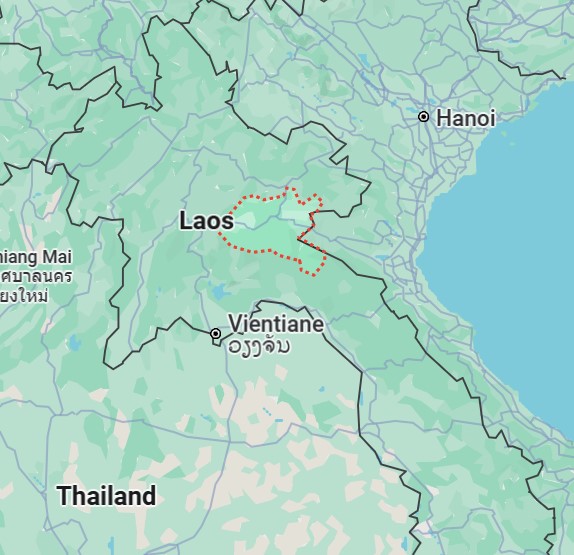
In Laos, integration to input and product markets, and the offering of mechanization has generated mono-cropping maize systems, whose sustainability is questioned. To explore the potential adoption of alternative agricultural systems, I teamed up with Juliette Lairez (UPR AIDA, CIRAD) to construct and run a survey where we would explore farmers ranking of objectives when making decisions (using a Best-Worst Scaling approach), and explore farmers’ preferences for technological attributes using a discrete choice experiment (DCE).
Zimbabwe
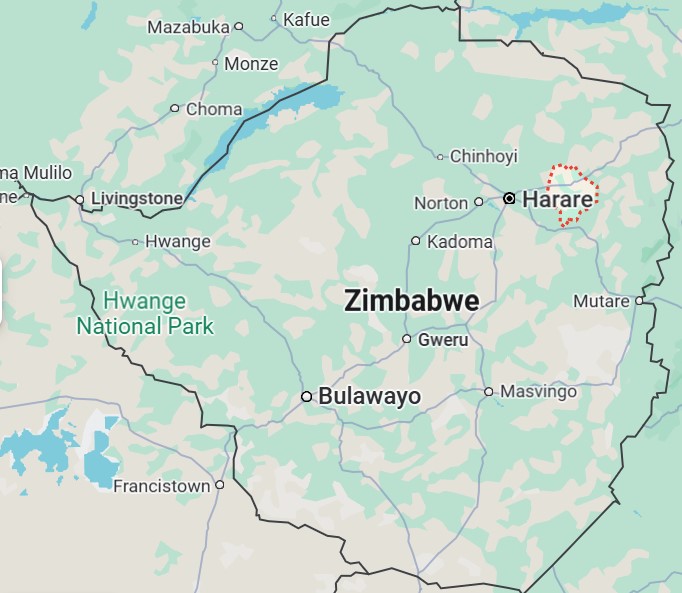
Zimbabwe’s agriculture is largely subsistence-oriented, centered on maize with low input use, facing soil degradation and wide yield gaps. Adoption of Climate‑Smart Agriculture (CSA) remains limited despite a national CSA framework (2018–2028) .The Resilience Building through Agroecological Intensification in Zimbabwe (RAIZ) is a research initiative funded by the European Union (EU) and implemented by CIRAD, CIMMYT, and the University of Zimbabwe (UZ).
Its aim is to develop and implement scientifically tested agroecological approaches to boost agricultural production and resilience to climate change, while protecting the environment and reducing greenhouse gas emissions. It operates in Mashonaland East Province, particularly in Murehwa and Mutoko districts, covering sub‑humid to semi‑arid zones. We developed Farm surveys and socio‑economic profiling, embedded experimental and behavioral economics methods to assess trade-offs between short-term gains and long-term resilience
Zambia
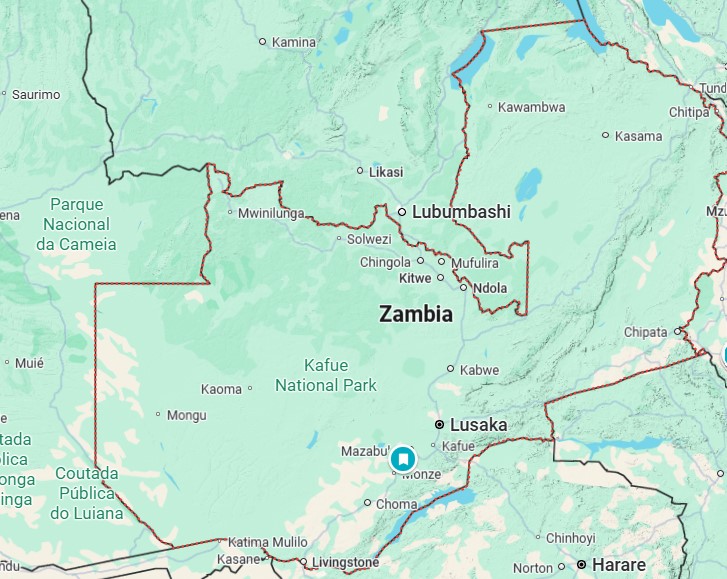
Smallholder farmers in Zambia face growing climate-related risks, including droughts, erratic rainfall, and pest outbreaks, which threaten crop yields and livelihoods. Sustainable Agricultural Practices (SAPs), such as crop rotation, mulching, and reduced tillage, can improve soil fertility and yield stability, yet adoption remains low due to perceived risks, high labor demands, and delayed benefits. Understanding how farmers trade off short-term needs against long-term gains, and how risk and time preferences influence their choices, is key to designing effective policies.
A study, funded by the International Growth Center, aims to uncover how farmers perceive and value attributes of SAPs, particularly when benefits are uncertain or delayed. Quantifying their willingness to accept trade-offs will shed light on behavioral and economic factors influencing adoption. Linking these preferences with individual risk attitudes, time preferences, and household characteristics can reveal heterogeneity in adoption barriers. This evidence is crucial for developing targeted interventions and support mechanisms aligned with farmer priorities.
Research outputs
Lairez, J., Jourdain, D., Lopez-Ridaura, S., Syfongxay, C., & Affholder, F. (2023). Multicriteria assessment of alternative cropping systems at farm level. A case with maize on family farms of South East Asia. Agricultural Systems, 212. https://doi.org/10.1016/j.agsy.2023.103777
Jourdain, D., Lairez, J., & Affholder, F. (2022). Identify Lao farmers’ goals and their ranking using best–worst scaling experiment and scale‐adjusted latent class models. Journal of Multi-criteria Decision Analysis. https://doi.org/10.1002/mcda.1785
Jourdain, D., Lairez, J., Striffler, B., & Lundhede, T. (2022). A choice experiment approach to evaluate maize farmers’ decision-making processes in Lao PDR. Journal of Choice Modelling, 44, 100366. https://doi.org/https://doi.org/10.1016/j.jocm.2022.100366
Jourdain, D., Lairez, J., Striffler, B., & Affholder, F. (2020). Farmers’ preference for cropping systems and the development of sustainable intensification: a choice experiment approach. Review of Agricultural, Food and Environmental Studies, 2020(101), 417-437. https://doi.org/10.1007/s41130-020-00100-4
Jourdain, D., Lairez, J., Striffler, B., & Affholder, F. (2018, 13-14/12/2018). Farmers preference for cropping systems and the development of sustainable intensification: a choice experiment approach. 12es Journées de Recherches en Sciences Sociales, Nantes (FR).